What is Backfilling?
Definition and Purpose
If you’ve ever watched a construction site take shape, you’ll know the process doesn’t end once the foundations go in. In fact, what happens next can determine the long-term success of the entire structure.
Backfilling is the process of refilling excavated areas around foundations, trenches, or utilities using selected materials. It’s not just about shovelling dirt back in, done right, backfilling supports structural loads, enhances drainage, insulates below-ground elements, and restores the site to usable condition.
It’s important to distinguish this from general filling. While filling could refer to any soil placement, backfilling happens after critical elements like footings or utility lines have been placed.
Why It Matters
When you backfill correctly, you create a strong, stable base that resists shifting, supports your structure, and keeps water flowing away from the site. Poor backfilling, on the other hand, can cause everything from drainage problems to uneven floors and cracked walls.
For builders, site managers, and civil contractors, mastering the backfilling process is essential, not just for compliance, but for durability and safety.
Contents:
Factors That Influence the Backfilling Process
Backfilling Techniques You Should Know
Step-by-Step: How to Backfill Properly
Factors That Influence the Backfilling Process
Material Matters: Choosing the Right Backfill
Not all soils are created equal. Your choice of backfill material will make or break your project’s stability. Ideally, the material should:
- Be compatible with the site’s native soil
- Drain well to avoid water build-up
- Support load without shifting or compressing over time
- Be easy to compact into stable layers
In Australia, common materials include coarse sand, crushed stone, recycled aggregates, and occasionally engineered fill, such as Controlled Low-Strength Material (CLSM). The goal is to achieve a balance between cost, performance, and local availability, without compromising compliance with building specifications outlined by the Australian Building Codes Board.
Compaction: The Key to Long-Term Stability
If a job’s worth doing, it’s worth doing right; soil compaction is no exception. Correctly compacted soil prevents settlement, supports structural integrity, and helps extend the lifespan of underground infrastructure. Without proper compaction, you’re looking at cracked pavements, sinking trenches, and expensive rework down the track. Trench rollers help deliver consistent, high-performance compaction, eliminating voids and locking everything in place.
How Trench Rollers Differ from Other Compaction Equipment
It’s not enough to fill the trench; you need to make sure the material is properly compacted.
Compaction helps eliminate air gaps (voids), increasing density and reducing the risk of future settlement. This is typically done in thin layers (called “lifts”), each compacted individually with tools or machinery suited to the material.
Getting this right means better support, fewer call-backs, and a structure that holds up for decades.
Timing Is Everything
Backfilling shouldn’t be rushed. Backfilling against concrete should not begin until the concrete has achieved the strength required by the project design or specification and any applicable curing, waterproofing and inspection requirements have been completed. Required waiting periods vary depending on the structure and specification.
It’s also important to watch the weather. Wet conditions can make compaction more difficult, while dry material may require moisture conditioning to achieve the specified result. Coordination with other trades, particularly plumbing and electrical contractors, can also help avoid delays and rework.
Types of Backfill Materials
Coarse-Grained Soils: Sand and Gravel
These are the MVPs of the backfilling world. Sand and gravel are easy to compact, provide excellent drainage, and support heavy loads. They’re commonly used around foundations and retaining walls where stability and water movement are critical.
Fine-Grained Soils: Silts and Clays
Clay and silt aren’t the first choice for backfilling, but they can be used if the moisture content is well-managed. They tend to retain water and are harder to compact, which increases the risk of future settlement.
Commercial By-Products
Materials such as fly ash and furnace slag may be used in some engineered-fill applications where their properties have been assessed as suitable for the project. Their use should comply with the applicable design, environmental requirements and project specifications.
CLSM (Controlled Low-Strength Material)
CLSM is a flowable, cementitious material that can be placed without conventional mechanical compaction. It can be useful in confined areas and utility trenches where conventional compaction equipment has limited access, although material cost and future excavation requirements should be considered.
Crushed Stone and Aggregates
Often used as a base layer, compacted stone offers strong support and excellent drainage. It’s widely available, easy to place, and compacts well with standard rollers or plates.
Lean Concrete
When strength is non-negotiable, such as under structural footings or behind retaining walls, lean concrete provides a durable backfill solution, though it’s more costly than soil-based alternatives.
Backfill Materials at a Glance
Material | Best For | Considerations |
Coarse-grained soils (sand & gravel) | Foundations, retaining walls | Easy to compact, excellent drainage |
Fine-grained soils (silts & clays) | Only when moisture is well-managed | Retains water, harder to compact, higher settlement risk |
Commercial by-products (fly ash, furnace slag) | Large-scale civil applications | Sustainable, but needs testing to meet Australian Standards |
CLSM (Controlled Low-Strength Material) | Tight spaces, utility trenches | Self-compacts, higher material cost |
Crushed stone & aggregates | Base layers | Strong support, excellent drainage, widely available |
Lean concrete | Structural footings, behind retaining walls | Most durable option, highest cost |
Choosing the Right Compactor Equipment
Small-Scale Tools: Hand Tampers and Rammers
Perfect for tight spots and smaller jobs, hand tampers and rammers offer precise compaction in areas where larger machines just can’t go. They’re particularly effective with cohesive materials like clay.
Plate Compactors
These are ideal for granular backfills like sand or gravel. Walk-behind or ride-on options are available depending on your project size.
For rammer or plate compactor purchasing options across Australia, check out Conplant’s range.
Roller Compactors
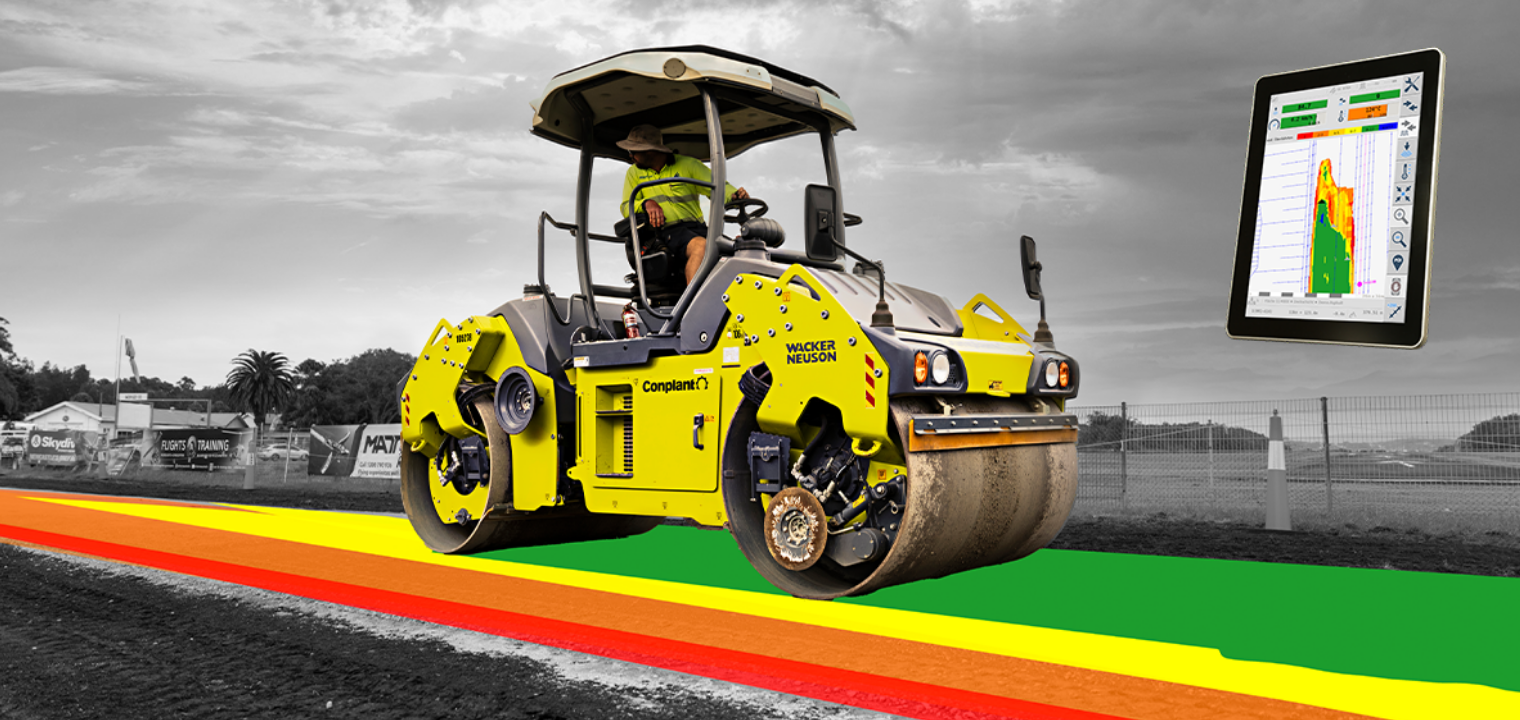
When you’re moving serious volumes, rollers are the go-to for efficient large-scale compaction. These machines are designed for productivity and performance across a variety of site conditions, from topsoil to sub-base preparation. Single-drum and padfoot configurations each bring specific benefits, with the latter excelling in compacting cohesive soils. The Wacker Neuson RC50-P is a standout performer in this category, offering superior manoeuvrability, operator comfort, and high compaction output. One of its key advantages is the integrated blade, which allows operators to level the surface while compacting. This reduces the need for additional equipment, streamlines the backfilling process, and improves efficiency on busy job sites.
Trench Rollers and Support Gear
Trench rollers like the Wacker Neuson RTLx-SC3 offer a distinct advantage when it comes to confined trench work. Unlike traditional rollers or compactors, this remote-controlled machine is designed specifically for high-performance compaction in narrow, hard-to-access areas. Its sheepsfoot drums are ideal for cohesive soils like clay, providing deep, consistent compaction without the need for manual intervention. The added safety of remote operation also means your crew can stay out of the trench, reducing risk while boosting productivity. When paired with excavators and loaders for fill placement and material movement, trench rollers become an essential part of a well-coordinated backfilling setup.
Backfilling Techniques You Should Know
Traditional Compaction Method
The most commonly used technique, traditional compaction, involves placing fill material in lifts of 150–300mm and compacting each layer before adding the next. This ensures even density throughout the fill, which is crucial for structural stability. While it can be labour-intensive, it allows for quality control at every stage and is widely compatible with most soil types and machinery.
Water Jetting
Water jetting or flooding uses water to settle suitable backfill material. It may be permitted for suitable free-draining, cohesionless materials where the project specification allows it, but should not be treated as a default alternative to mechanical compaction.
Melbourne Water, for example, includes water jetting and flooding compaction as a defined backfill-placement method alongside mechanical compaction for applicable works.
Flowable Fill
This method uses a self-leveling slurry, often a cementitious mix, that flows into excavated spaces and hardens without needing mechanical compaction. Flowable fill is ideal for utility trenches and hard-to-reach areas, offering excellent support and time savings. Its high initial cost is often offset by reduced labour and faster turnaround times.
Dumping
The simplest approach, dumping, involves placing backfill material without compacting it in layers. This technique is generally limited to temporary or non-structural areas due to the high risk of settlement. It may be used as a base layer in certain low-impact applications, but it lacks the performance and reliability of more rigorous methods.
Step-by-Step: How to Backfill Properly
1. Schedule and Prepare
Plan your workflow, book your gear with Conplant, and get your materials on-site. Make sure you’ve sorted any waterproofing, pipework, or inspections beforehand.
2. Begin the Backfill
Clear the area of debris or loose stones. Start placing backfill in controlled lifts, compacting each one thoroughly. Install sub-drains or barriers as needed.
3. Wrap It Up
Finish with surface grading, final density checks, and clean-up. Keep documentation handy-especially compaction test results-for council sign-off or compliance records.
Tips for Better Backfilling Results
Tip | Why It Matters | Practical Advice |
| Let Concrete Cure First | Premature backfilling can crack foundations or damage waterproofing. | Do not backfill until the concrete has achieved the strength required by the design or project specification and any required curing, waterproofing and inspections are complete. |
Maintain Clean Work Zones | Debris and water can cause uneven compaction and later settlement. | Clear spoil heaps, pump out standing water, and inspect trenches before filling. |
Moisture is a Dealbreaker | Soil that’s too dry won’t compact; too wet, and it shifts. | Test moisture with a hand squeeze. Adjust with water or drying time to reach ideal levels. |
Get Your Drainage Right | Poor drainage can lead to waterlogging, structural movement, and soil erosion. | Install French drains, direct water flow away from the site, and grade surfaces properly. |
Don’t Skip the Testing | Assumptions about compaction can lead to future problems. | Conduct density and moisture tests regularly (e.g. Standard Proctor or Nuclear Gauge) as per AS 3798:2007 Guidelines on Earthworks, which sets out best practices for compaction and quality assurance in Australian construction projects. |
Conclusion: Why Backfilling Deserves Your Full Attention
Backfilling might not grab headlines, but it’s one of the most important parts of any construction project. A solid backfill supports structures, manages water, and helps avoid costly repairs down the track.
Whether you’re laying residential footings or building major infrastructure, proper backfilling is essential and achievable with the right knowledge, materials, and gear.
Need help choosing the right compaction equipment? Reach out to Conplant. We’ve got the expertise, fleet, and flexibility to support every backfilling job, from trench rollers to heavy compactors.
Browse the full compaction roller and rammer hire range online.
Frequently Asked Questions (FAQs)
Backfilling specifically refers to replacing or placing material into an excavation after work such as foundations, services or structures has been installed. Filling is a broader term for placing material to build up or modify ground levels and does not necessarily follow an excavation.
Yes, especially coarse sand, which offers good compaction and excellent drainage.
Between 150-300mm per layer, depending on the material and your compaction equipment.
Prices vary, but the cost depends on the fill type, site access, and labour required.
There is no single best backfill material for every project. The right choice depends on factors such as drainage, load requirements, soil conditions and the project specification. Common options include sand, gravel, crushed stone, engineered fill and Controlled Low-Strength Material (CLSM).
Excavated material may be suitable for reuse as backfill if its properties meet the project requirements. Material containing excessive moisture, organic matter, debris or unsuitable soil may need to be treated, replaced or excluded. Always follow the applicable engineering and project specifications.
Excess moisture can make it difficult to achieve the required compaction and may contribute to movement or settlement. Moisture conditions should be assessed before backfilling, with material dried, conditioned or replaced where necessary to meet the specified compaction requirements.
Backfilling should only begin once the concrete has achieved the strength required by the project design or specification and any necessary curing, waterproofing and inspections have been completed. The required timing varies between projects and structures.
Controlled Low-Strength Material, or CLSM, is a flowable cementitious backfill that can be placed without conventional mechanical compaction. It can be useful around utilities and in confined areas where access for traditional compaction equipment is limited.