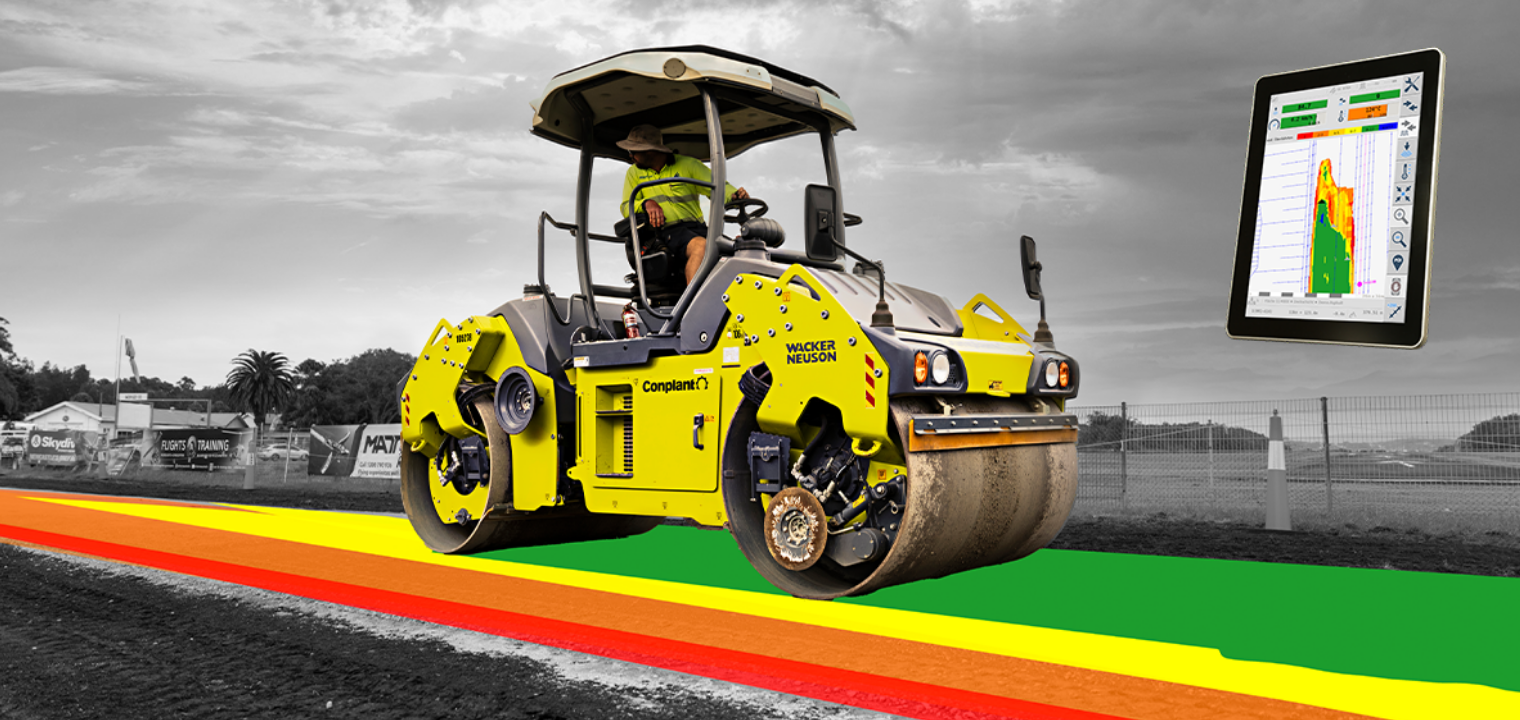
Rollers are what we do. They have been at the heart of Conplant since 1961.
Our hire fleet spans compact trench and tandem rollers for tight-access work through to 28-tonne single drums for major earthworks across Australia.
When a hire request comes in, roller type is only part of the picture. We also need to know the required size or weight class, when the machine is needed, how many hours it will be working, what the delivery access looks like and whether there are any project-specific plant requirements.
Having those details ready helps our team check the fleet, sort the transport and get the hire moving. This checklist covers what to send through before requesting a quote.
Table of Contents:
Start With the Machine Requirements
Match the Roller Category to Your Request
Confirm the Size and Configuration
Provide the Hire Dates and Operating Hours
Confirm the Operator and Site Requirements
Flag Project-Specific Plant Requirements
Understand the Full Hire Scope
Start With the Machine Requirements
Start with any plant requirements already set out in the project documentation. These may include the roller type, operating-weight range and mandatory machine configuration. Sending those details with your enquiry gives the Conplant hire team a clear brief and avoids quoting a machine that falls outside the project requirements.
The level of detail matters. Asking for “a padfoot” leaves a wide range of machines on the table, while requesting “an 8-tonne padfoot with an ” gives us something specific to work with. Clear requirements help us identify matching equipment and scope the hire accurately.
Not every project nominates an exact make or model. If yours does not, send through the application, material, work area and any size range already under consideration. From there, the Conplant hire team can narrow the search and provide the specifications and availability relevant to your enquiry.
Match the Roller Category to Your Request
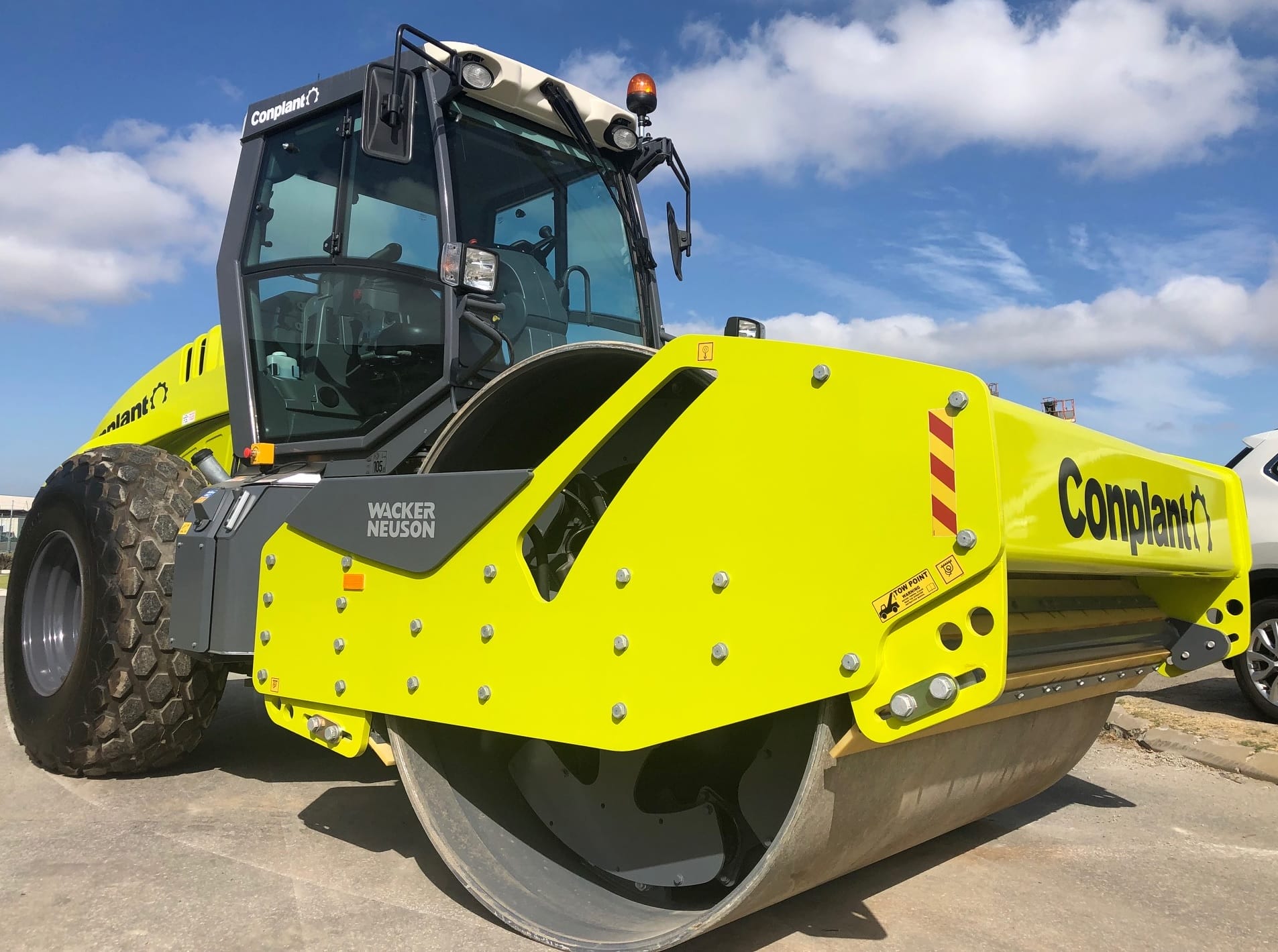
Conplant’s hire fleet covers the main roller configurations used across civil construction, roadworks, earthworks, trenching and asphalt work.
Roller category | Common hire applications |
Granular soils, road base and general civil earthworks | |
Cohesive and semi-cohesive soils | |
Road base, asphalt and finished surfaces | |
Bases, sub-bases, asphalt and road construction | |
| Static three-point rollers | Proof rolling, thin granular or semi-cohesive layers, and work near buildings or bridges. |
Asphalt, gravel and jobs requiring a smooth drum and pneumatic tyres | |
Trenches, utilities and confined work areas |


Confirm the Size and Configuration
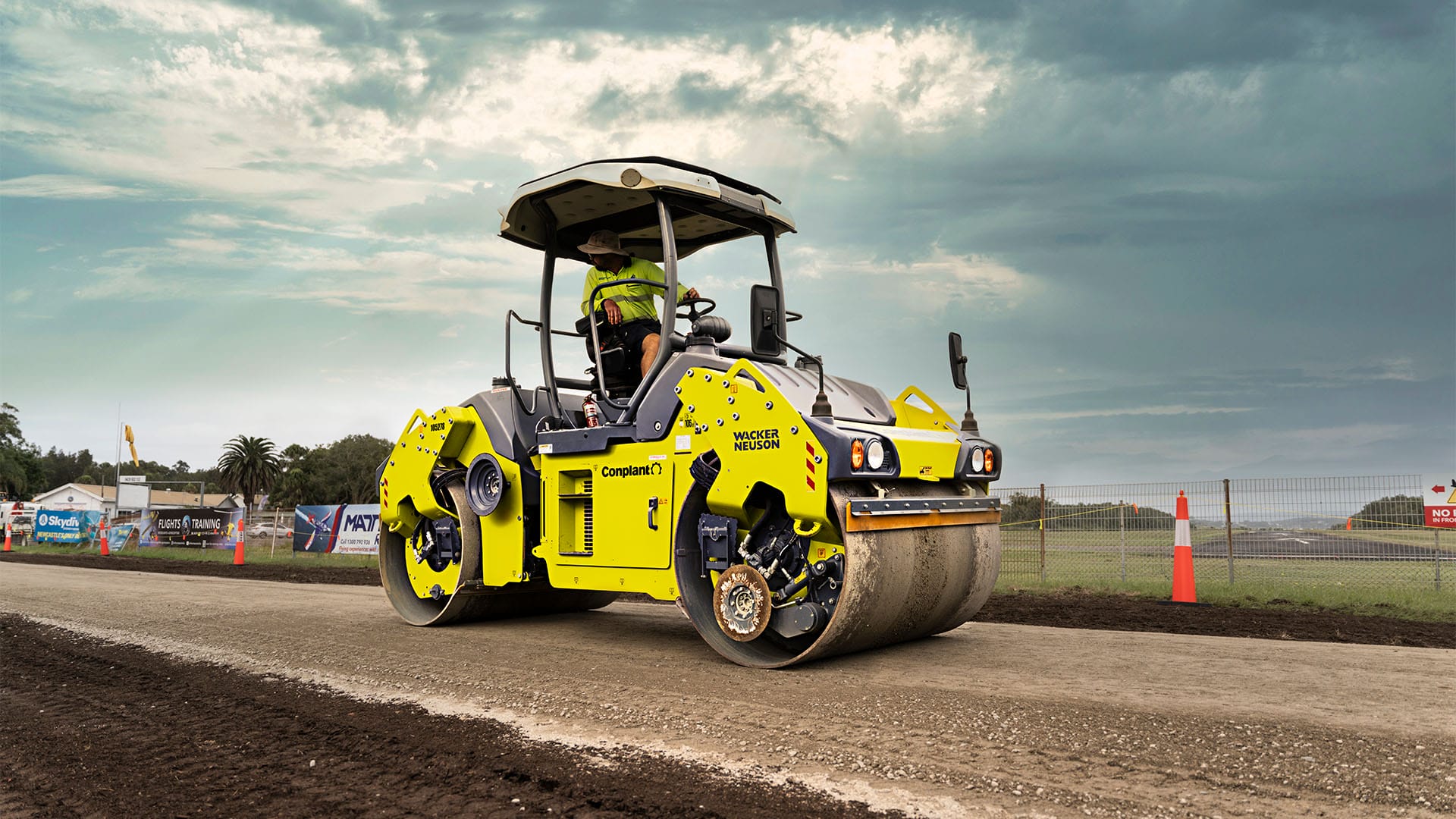
Once the roller category is known, the next step is to pin down the physical size and machine setup. A tandem roller, for example, can range from a compact unit used around footpaths and tight urban sites to a much larger machine used across road construction. Those differences affect transport, access, manoeuvring room and whether the roller falls within the weight class nominated for the project.
Provide the following where applicable:
- Operating-weight range
- Rolling width
- Overall machine width
- Height and length
- Drum or tyre configuration
- Vibration or oscillation capability
- Open ROPS or enclosed cab
- Water system
- Ballast requirements
Operating weight alone will not always provide enough information. Rollers within a similar weight range can have different rolling widths, overall dimensions, cab heights and onboard features. Confirmed measurements are particularly important for trench work, kerbside applications, low overhead structures and sites with narrow gates or limited turning room.
If the hire needs to match an existing machine or project plant schedule, send through the model details, specification sheet or relevant section of the plant requirements. That gives the hire team a firm reference point when checking the fleet.
Provide the Hire Dates and Operating Hours
Tell us when the roller is required, how long you expect to need it and how many hours it will operate. Include:
- Required delivery date
- Expected hire period
- Daily operating hours
- Single or multiple shifts
- Weekend or night use
- Restricted delivery or collection times
- Expected off-hire date, if known
Firm dates allow Conplant to check availability and begin arranging transport. If the program changes during the hire, contact the team as early as possible, as extensions remain subject to availability.
Check the Delivery Access
The site address and postcode are required so Conplant can scope the transport component of the quote. Tell us about anything that could affect the delivery vehicle reaching the nominated unloading point, including:
- Narrow gates or access roads
- Limited turning space
- Low overhead clearance
- Weight restrictions
- Steep or uneven access
- Soft ground
- Traffic-management requirements
- Restricted delivery times
- Site-entry or escort procedures
The site team should nominate a suitable unloading area and assess the access route and surrounding ground before delivery. Safe Work Australia’s guidance on managing ground-condition risks explains the importance of identifying hazards and applying appropriate controls when mobile plant is being used or hired.
Provide the name and mobile number of the person receiving the machine. They should understand the delivery arrangements, know where the roller will be unloaded and be available when the transport driver arrives.
Confirm the Operator and Site Requirements
Before the hire begins, confirm who will operate the roller and what the site requires from them. An experienced operator may still need to complete a project induction, provide evidence of competency or undertake a verification of competency before being authorised to use the machine on that site.
WorkSafe Queensland’s guidance for powered mobile plant states that operators should receive appropriate information, training and instruction, with their competence assessed against the type of plant they will be using. These checks should be completed before work begins.
Before delivery, confirm:
- The nominated operator
- Evidence of training or competency required by the site
- Verification of competency requirements
- Site and project inductions
- Operator authorisation procedures
- Machine handover or familiarisation requirements
If the site requires machine documentation before delivery, include that request when organising the hire so the available records can be prepared in advance.
Flag Project-Specific Plant Requirements
A roller going to a subdivision may have different plant requirements from one going to a mine, airport or major infrastructure project. Tell Conplant if the machine needs particular features or supporting documents relating to:
- Rollover or falling-object protection
- Cameras or warning systems
- Lighting or communications equipment
- Isolation points
- Fire extinguishers or fire suppression
- Mine or principal-contractor specifications
- Plant risk assessments
- Service and inspection records
Not every feature is fitted to every machine. Providing the details early gives the hire team time to identify equipment with the required configuration and prepare the available documentation.
Understand the Full Hire Scope
The machine rate is only one part of the quote. Before confirming the booking, check the arrangements for:
- Included operating hours
- Delivery and collection
- Fuel
- Cleaning
- Damage and wear
- Additional hours
- Hire extensions
- Off-hire notification
- Breakdown support
- After-hours contacts
The Conplant hire fleet is serviced and inspected before dispatch, with each machine prepared for its next hire before it leaves the yard. At handover, check the roller’s operating hours, fuel level and visible condition. If a fault develops during the hire, contact Conplant promptly.
Information to Send with Your Roller Hire Request
Compaction remains one of the most important contributors to long-term infrastructure performance, yet the quality of the outcome is rarely determined by the roller alone.
It is shaped by the decisions made before construction begins, refined as conditions change and confirmed through effective verification.
The right equipment will always remain an essential part of the process. Equally important, however, is understanding when to use it, how to apply it and when a different methodology may be required.
As Australia’s civil construction industry continues to evolve, the projects that perform best over the long term are increasingly those where compaction is treated not simply as another construction activity, but as a quality-driven engineering process supported by informed decision-making from start to finish.
Frequently Asked Questions
Do I need a high-risk work licence to operate a roller?
A high-risk work licence is not automatically required because a roller exceeds a particular weight. However, the operator must be trained and competent for the machine and task. State or territory regulations, principal-contractor rules and site requirements may also apply.
What access information does Conplant need?
Provide the site address, gate width, turning space, overhead clearance, route condition and nominated unloading area. Include any access restrictions or site-entry requirements that may affect delivery and collection.
What should I check in the roller hire quote?
Check the machine details, hire period, included operating hours, delivery, collection, fuel, cleaning, damage arrangements, breakdown support and the procedures for extensions and off hire.