Roller hire does not have one standard price because the initial quote depends on the machine being supplied, the length of the hire, expected operating hours, transport and the commercial conditions applying to the job. These known requirements can be priced before the hire begins. The final cost may change if the hire progresses differently from what was quoted or if additional costs arise, including those related to extra operating hours, transport changes, cleaning or damage.
For contractors, estimators and procurement teams, the important figure is the total expected cost rather than the daily or weekly machine rate viewed in isolation. A rate that initially appears lower can end up costing more once delivery, collection, operating-hour allowances and other conditions are considered.
Understanding how a roller hire quote is structured makes it easier to prepare a realistic budget, compare suppliers on the same basis and recognise which parts of the cost could change during the project.
Table of Contents:
What Makes Up the Total Roller Hire Cost?
The Machine, Hire Period and Included Hours
What Can Change the Final Roller Hire Cost?
Fuel, Cleaning and Return Condition
Damage, Loss and Commercial Risk
Why Support Matters When Comparing Price
What Makes Up the Total Roller Hire Cost?
In practical terms, the total expected roller hire cost is made up of the machine hire, transport, any usage-related adjustments and any return or risk costs that apply under the quote and hire terms.
The machine hire and initial transport can usually be scoped before the roller is delivered. Other costs may depend on whether the project runs to the original program, whether the machine operates within the included hours and how it is returned at the end of the hire.
This distinction is important because the quoted machine rate does not necessarily represent the complete cost of getting the roller to site, keeping it there for the required period and returning it once the work is finished. A useful quote should provide enough detail for the customer to understand the full arrangement rather than relying on one headline figure.
The Machine, Hire Period and Included Hours
The roller being supplied establishes the starting point for the quote. Different machine classes, sizes and configurations have different hire requirements, with factors such as operating mass, drum width, vibration system, attachments and any requested safety or compaction technology influencing the unit that is quoted.
Conplant’s hire fleet includes options such as ROPS2, Collision Warning System and Völkel Intelligent Compaction. ROPS2 can be fitted to compatible hire rollers at no additional hire cost, providing visual and audible warnings when the machine reaches potentially dangerous angles. Collision Warning Systems can improve awareness of people and objects around the roller, while Völkel provides operators with real-time information to support consistent compaction and project quality assurance. Availability varies by machine and configuration, so any required systems should be identified when requesting the quote.
When comparing roller hire rates, the first step is therefore to make sure the quotes are apples for apples. A rate for one roller type, weight range, size and technology package cannot be assessed against another without considering the differences in equipment, inclusions and capability.
Conplant can discuss options from its compaction roller hire fleet based on the information provided by the customer and help narrow down the equipment suited to the intended application. The contractor can then confirm the final selection against the project methodology, compaction specification, testing requirements and intended outcome.
The hire period then determines how the machine rate will be applied. Roller hire may be quoted on a daily, weekly, monthly or longer-term basis, depending on the expected program and the applicable commercial arrangement.
The written quote should make clear:
- The period covered by the rate.
- When hire charges commence.
- Any operating hours included in that rate.
- How additional operating hours are treated.
- The agreed hire or off-hire date.
- How the hire can be extended or ended.
The hire period and included operating hours need to be considered together. A roller working a standard day shift will have a different usage profile from one operating across extended shifts, nights or a continuous roster.
If two suppliers include different operating-hour allowances, their rates are not directly comparable. A lower rate with fewer included hours may produce a higher total cost once the expected roster is considered. Comparing the planned use against the quoted allowance provides a clearer picture of what the machine is likely to cost over the project.
Delivery and Collection
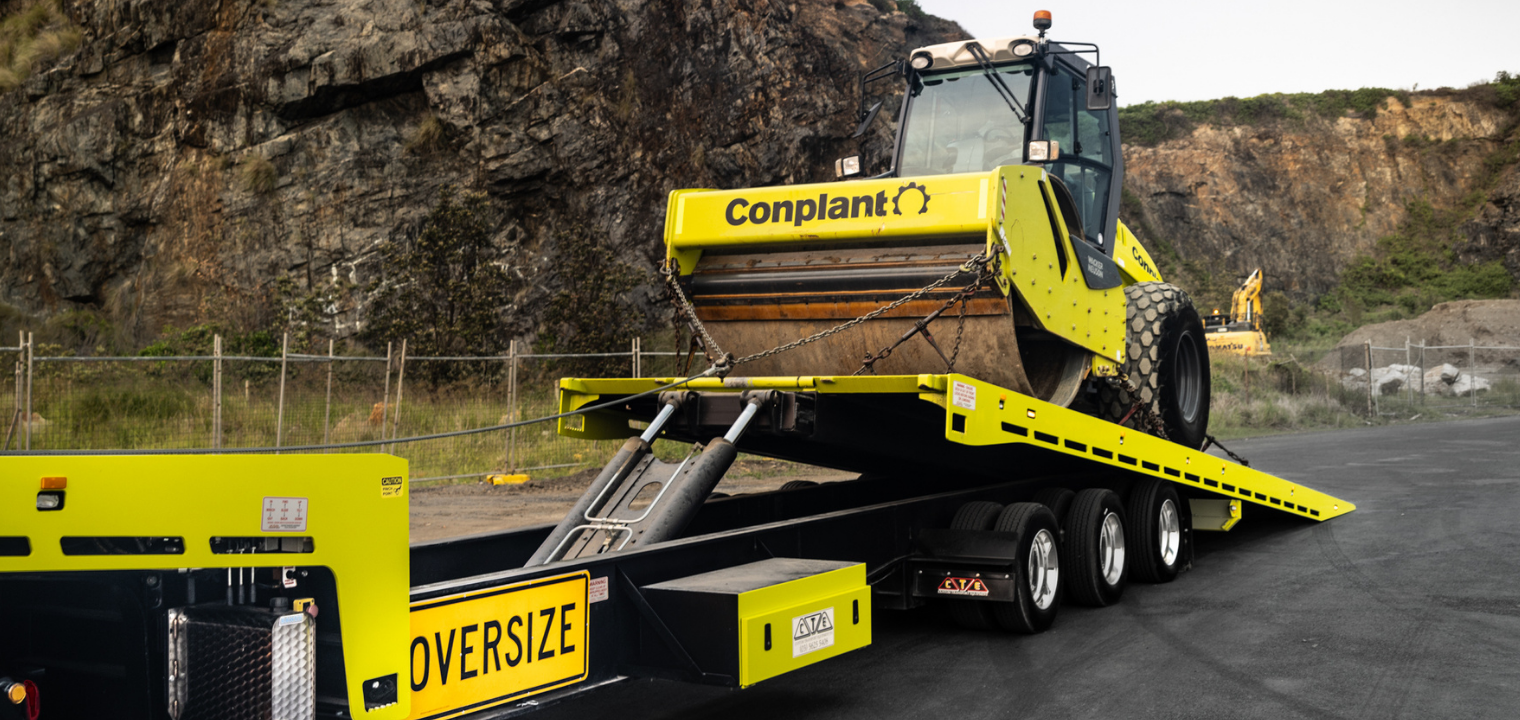
Transport is separate from the time the roller spends working, but it remains part of the total cost of getting the machine onto the job and returning it afterwards.
The transport component can be influenced by the supplying depot, distance to the project, machine dimensions and operating mass, the transport equipment required and the requested delivery or collection time. Site booking requirements and movements outside standard hours may also affect how the transport is arranged and quoted.
When reviewing the price, confirm whether both delivery and collection are included. A quote covering delivery in one direction cannot be compared directly with one that includes the complete movement to and from the project.
The nominated locations should also be checked. If the roller needs to be moved to another project or site during the hire, that movement may fall outside the original transport scope. Likewise, a change to the delivery address, collection point or requested time may require the transport arrangement to be revised.
Confirming what movements have been priced, where they begin and end, and whether any timing conditions apply provides a more accurate view of the total roller hire cost.
What Can Change the Final Roller Hire Cost?
A roller hire quote is prepared around the project information available at the time. Where the program, operating hours or transport requirements change, the final hire cost may also change.
A delayed start may require delivery to be rescheduled and machine availability to be reconfirmed. Separately, if the roller has already been delivered, a stand-down affecting the works, such as wet weather, may mean the machine remains on hire while it is waiting to be used. Stand-down arrangements vary between suppliers: some allow unlimited stand-down, some cap it, and some quote a fixed rate with no stand-down allowance. This is worth confirming as part of the quote.
Additional operating hours can also affect the cost where the machine works beyond any allowance included in the quoted rate. This may occur when the project moves to longer shifts, adds weekend work or increases production hours after the original quote has been accepted.
Hire extensions are another common consideration. Civil construction programs change for many reasons, including weather, access, preceding works and changes to the project schedule. Where the roller is required beyond the original period, the extension should be arranged with Conplant before the agreed off-hire date. Continued availability may depend on whether the machine has already been allocated elsewhere.
The final day of physical operation may not automatically mark the end of the hire. The customer must follow the off-hire process stated in the quote and terms so the end date can be recorded and collection arranged.
When dates, hours or transport requirements change, advising Conplant early allows the revised arrangement to be confirmed and creates a clear record for both parties.
Fuel, Cleaning and Return Condition
The condition of the roller when it is returned may affect the final cost, so the quote and hire terms should be reviewed for the applicable fuel, cleaning and return requirements.
The relevant conditions may include the fuel level required on return, responsibility for cleaning, the process for reporting faults or damage and any requirements applying before collection. These items should be considered when preparing the project budget rather than left until the roller is ready to leave site.
Clear handover and return records also help establish the condition of the machine at delivery and identify any issue that occurred during the hire. This provides a better basis for distinguishing between the original condition, normal use and any damage requiring further assessment.
Requirements from a previous job should not be assumed to apply to a new hire. The current written quote and terms remain the relevant documents for the machine and project.
Damage, Loss and Commercial Risk
While the roller is under the customer’s control, the quote and hire terms may address damage, loss, theft, insurance, security and applicable excesses. These arrangements can differ between suppliers and should form part of any fair commercial comparison.
This does not mean that these costs will automatically be added to the hire. It means the customer should understand the potential exposure associated with each quote rather than assessing the machine rate alone.
A lower base rate may sit alongside different damage, insurance or excess arrangements from another supplier. Unless those conditions are compared, the difference in commercial risk remains hidden behind the headline price. Damage waiver percentages also vary between suppliers and can meaningfully affect the total cost, so this is worth confirming and comparing as part of the quote.
Conplant’s written quote and Special Terms for the Hire of Goods are the source of truth for the conditions applying to the specific hire.
Why Support Matters When Comparing Price
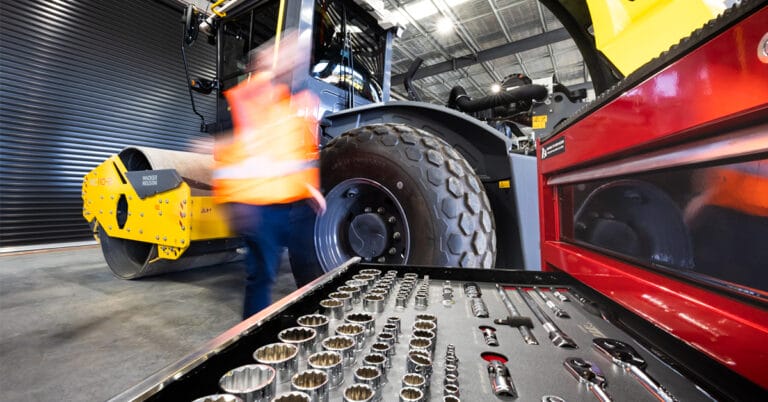
The value of a roller hire quote also depends on what happens when the machine requires attention. Fault reporting, maintenance arrangements and service support can affect how an issue is assessed and how quickly the project can move forward.
Support arrangements vary between suppliers, including whether assistance is provided through local field-service teams, centralised support or third-party contractors. Where a breakdown or fault stops the machine from working, the availability and structure of that support can affect the project far more than a small saving on the daily or weekly rate.
Conplant supports its hire fleet through a national network of depots, workshops and field-service teams. The specific arrangements applying to an individual hire remain subject to the written quote and hire terms, but the availability and structure of that support should still be considered when comparing suppliers.
Support may not appear as a separate charge on the quote, yet it contributes to the practical value of the hire and may become particularly important when project timelines are tight.
How to Compare Roller Hire Quotes Fairly
A fair comparison begins by confirming that each quote covers the same machine, hire period, operating hours and transport scope. Once those basic details align, the remaining conditions can be reviewed to determine whether the total prices are genuinely comparable.
Quote item | What to compare |
Machine | Roller class, size, configuration and required equipment |
Hire period | Daily, weekly, monthly or longer-term structure |
Operating hours | Included use and treatment of additional hours |
Transport | Delivery, collection, locations and timing |
Fuel and cleaning | Supply and return requirements |
Damage or loss | Liability, insurance and applicable excesses |
Extensions | Rate and approval process if the hire continues |
Off-hire | Notice and collection requirements |
Support | Fault reporting, maintenance, service arrangements and expected response process |
Exclusions | Costs or responsibilities outside the quoted scope |
Stand-down | Whether stand-down is unlimited, capped or not included in a fixed rate |
Damage waiver | Waiver percentage and what it covers |
Where any of these items differ, the quotes are not yet like-for-like. One supplier may show a lower machine rate but exclude collection, while another may include fewer operating hours, quote a different roller class or apply different damage arrangements.
The complete scope provides a better basis for comparison than the machine rate alone. It is also important to confirm that the quote relates to the current project, as an old rate or general estimate may not reflect the required equipment, transport arrangements, availability or proposed dates.
Request a Roller Hire Quote
To establish an accurate roller hire cost, provide Conplant with the required machine or application, project location, proposed dates, expected hire period and operating hours. This allows the equipment, transport and commercial scope to be considered as part of the same quote.
Request an itemised roller hire quote or contact your nearest Conplant depot to discuss the hire.
Frequently Asked Questions
How much does it cost to hire a roller?
The cost depends on the roller, hire period, expected operating hours, transport and the commercial conditions applying to the project. Conplant provides an itemised quote based on the specific hire requirement rather than publishing one fixed rate.
Are daily, weekly and monthly roller hire rates different?
The applicable rate structure depends on the quoted hire arrangement. When comparing the available options, check the period covered by each rate, the operating hours included and how extensions or additional use will be treated.
Does a roller hire quote include delivery and collection?
Transport inclusions are stated in the written quote. Confirm whether both delivery and collection are included and check that the nominated locations and requested times are correct.
Is fuel included in roller hire?
Fuel requirements should be confirmed in the current quote and hire terms, including how the roller will be supplied and the fuel level required when it is returned.
Can roller hire be extended?
An extension may be possible, subject to the agreed commercial arrangement and machine availability. Contact Conplant before the original off-hire date to confirm the revised hire period.
What happens if the roller is stood down due to weather or site conditions?
Stand-down arrangements vary between suppliers, with some allowing unlimited stand-down, some applying a cap and others quoting a fixed rate with no stand-down allowance. Confirm the applicable arrangement in the written quote before the hire begins.
What is a damage waiver on roller hire?
A damage waiver is a fee, usually calculated as a percentage of the hire cost, that may limit the customer’s liability for certain types of damage, subject to the applicable terms, exclusions and excesses. Waiver percentages and coverage vary between suppliers, so these conditions should be confirmed as part of the quote.
What happens if a hired roller breaks down?
Fault reporting, response times and repair arrangements depend on the supplier’s support structure, including whether support is provided locally or through a third party. Conplant supports its hire fleet through a national network of depots, workshops and field-service teams.