Oscillation and the Coomera Connector Stage 1
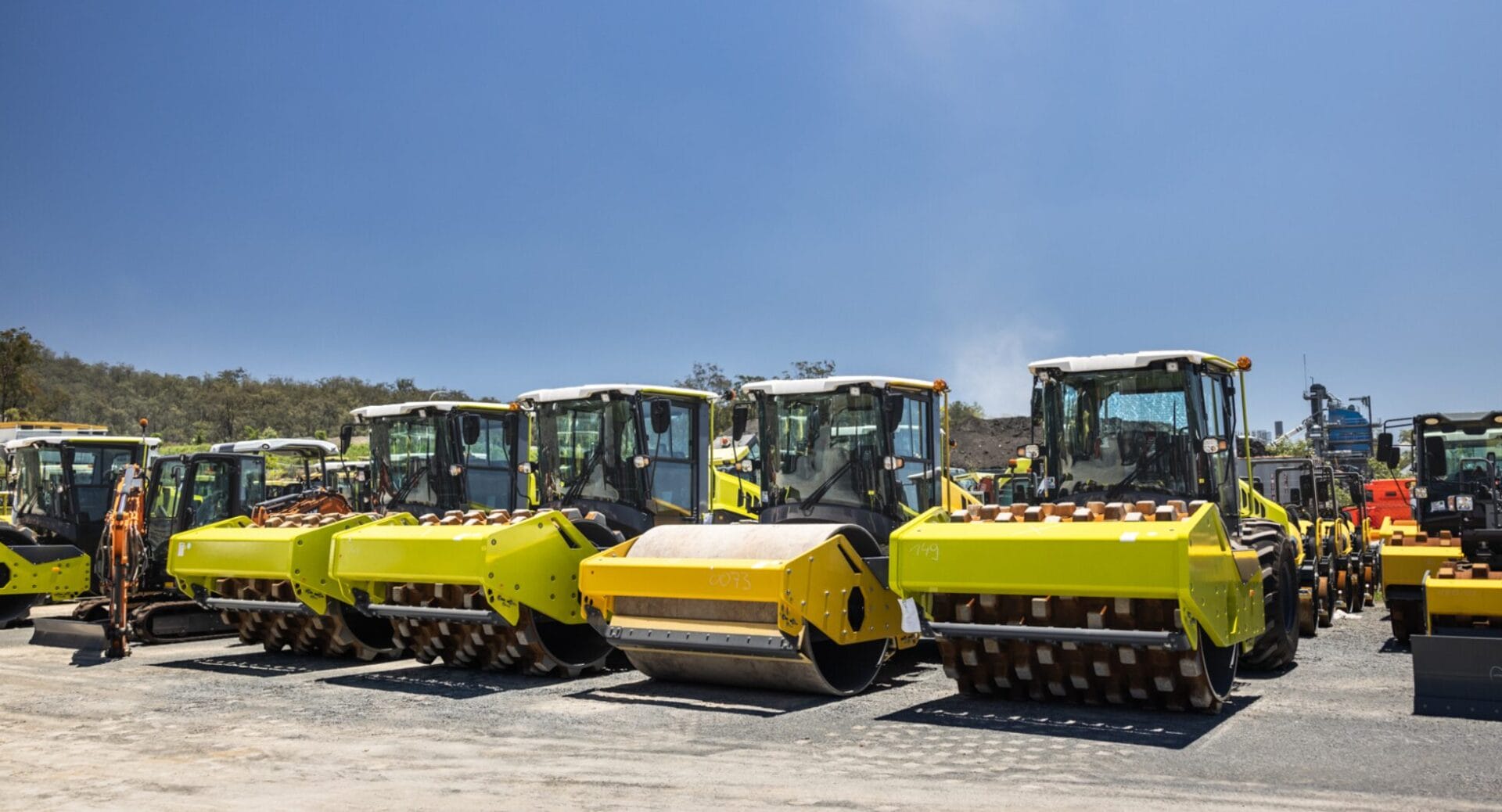
Across infrastructure delivery, there is often an assumption that compaction is a consistent process, applied in broadly similar ways across different projects. In practice, however, the method of compaction can vary significantly depending on the requirements of the specification, the sensitivity of the surrounding environment, and the performance outcomes expected of the finished work. The Coomera Connector Stage 1 provides a clear example of where method selection was not incidental, but central to project delivery.
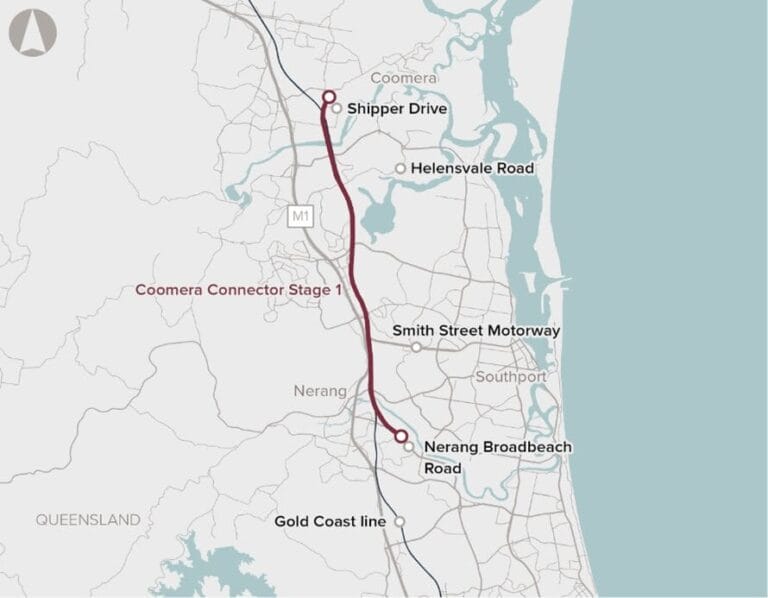
Spanning multiple sections from Shipper Drive through to the Smith Street Motorway, and delivered across staged packages, the Coomera Connector represents a major transport corridor within Southeast Queensland’s growing infrastructure network. As with many projects of this scale, the complexity was not only in the volume of work, but in the varying ground conditions, staging requirements and environmental considerations encountered across the alignment.
Within this context, the selection of oscillating rollers was not simply a preference, but a requirement defined within the project specification due to sections of the works being undertaken in close proximity to residential and structurally sensitive areas.
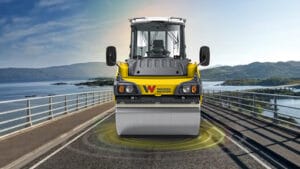
Oscillation differs fundamentally from conventional vibratory compaction. Rather than generating compaction through high-frequency vertical vibration, oscillating rollers apply a horizontal shearing movement within the drum while maintaining continuous contact with the surface. This reduces peak dynamic loads, vibration transfer and surrounding disturbance while still achieving effective compaction outcomes.
On the Coomera Connector works, this made oscillation particularly suited to environments where control of vibration and noise was critical, including areas near residential infrastructure, bridge works and underground services. A more detailed explanation of this method can be found in Conplant’s overview of oscillation technology.
Project Snapshot: Coomera Connector Stage 1 | |
Area | Detail |
The Challenge | Large-scale staged infrastructure delivery across varying ground conditions required a compaction method that aligned with both performance expectations and environmental considerations. |
Project Requirement | Oscillating rollers were specified within sections of the project due to the proximity of residential and structurally sensitive areas requiring reduced vibration transfer and disturbance |
The Method | Oscillation applied horizontal shearing motion within the drum rather than conventional high-frequency vertical vibration. |
Operational Benefit | Reduced vibration transfer, lower surrounding disturbance and effective compaction performance in sensitive construction environments. |
Project Application | Oscillation was used across trenching, bulk earthworks and finishing layers throughout Stage 1 North and Stage 1 Central works packages. |
Fleet Delivery | Equipment was supplied directly through Conplant to maintain consistency in machine configuration, maintenance standards and operational performance across the duration of the works. |
The Outcome | Demonstrated the importance of aligning compaction methodology with environmental and specification requirements from the outset. |
Legacy | Reinforced a broader shift towards method-led compaction selection across complex infrastructure delivery environments. |
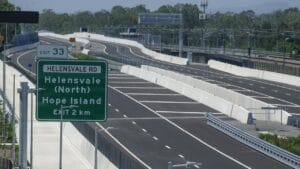
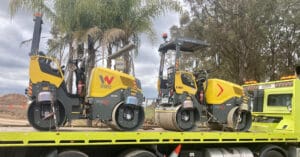
Across the Coomera Connector Stage 1 works, this method was applied to a broad range of compaction activities, including trenching, bulk earthworks and finishing layers. The requirement for oscillation extended across multiple sections of the project, including Stage 1 North and Stage 1 Central, reinforcing that this was not a limited application, but a consistent approach embedded within delivery.
All equipment supplied to the project was provided directly through Conplant, ensuring consistency in machine configuration, maintenance standards and operational performance across the duration of the works. This approach maintained alignment with the expectations set out within the specification, without reliance on supplementary supply channels.
The significance of this project lies not in the introduction of new technology, but in the deliberate alignment between specification and method.
Where previous projects may have adapted a compaction approach to suit available equipment, the Coomera Connector demonstrates a shift towards specifying the method first and aligning equipment capability accordingly. In this case, oscillation was not an alternative, but the correct approach for the conditions and requirements of the project.
This alignment between method and outcome is also reflected in how oscillation is presented and understood more broadly within Conplant’s offering. Practical demonstrations and operator-focused insights, such as those shared through Shannen’s Hire Hacks video and supporting content like the oscillation overview video, reinforce that the value of oscillation is not theoretical. It is grounded in how the machines perform on site, how they are selected for specific conditions, and how they contribute to achieving specification requirements with greater control.
For Conplant, this project reinforces an important aspect of how capability has evolved. The role of the business is not limited to supplying equipment that can perform a task, but to ensuring that the method of compaction aligns with the intent of the specification and the conditions on site. That requires not only the availability of appropriate machinery, but an understanding of when and why a particular method should be applied.
This approach continues to inform how projects are supported today. As specifications become more defined and expectations around performance and environmental impact increase, the ability to align compaction methods with project requirements becomes increasingly important.
Positioned within this series, the Coomera Connector Stage 1 represents a further step in the evolution of capability. Where earlier projects introduced new solutions or new ways of understanding the ground, this project demonstrates the importance of selecting the right method from the outset and delivering it consistently across a complex, multi-stage infrastructure environment.
More From The Series
Continue exploring the projects that have shaped Conplant's equipment, technology and technical expertise.
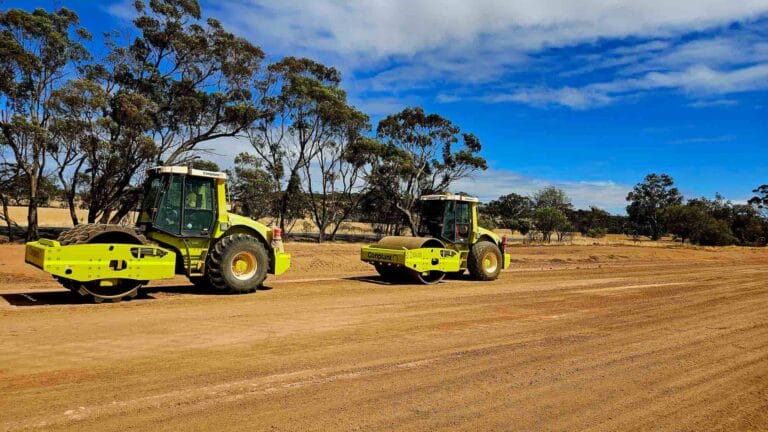
The Projects That Built Conplant
An Introduction to the Series
Discover how decades of investment, innovation and major infrastructure projects have shaped the equipment, expertise and service Conplant delivers today.
When Constraint Defined Capability
Pacific Highway: Warrell Creek to Nambucca Heads
Remote operation wasn’t simply an innovation. It became a project requirement that changed how rollers were supplied and operated in high-risk environments.
When Compaction Became Measurable
Western Sydney Airport Intelligent Compaction
As quality assurance expectations evolved, Intelligent Compaction became more than data collection. It became part of project delivery.
When Support Became Part of the Solution
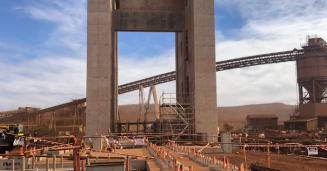
South Flank Mine
In remote mining operations, equipment availability can become just as important as compaction performance. Supporting production required a different operating model.