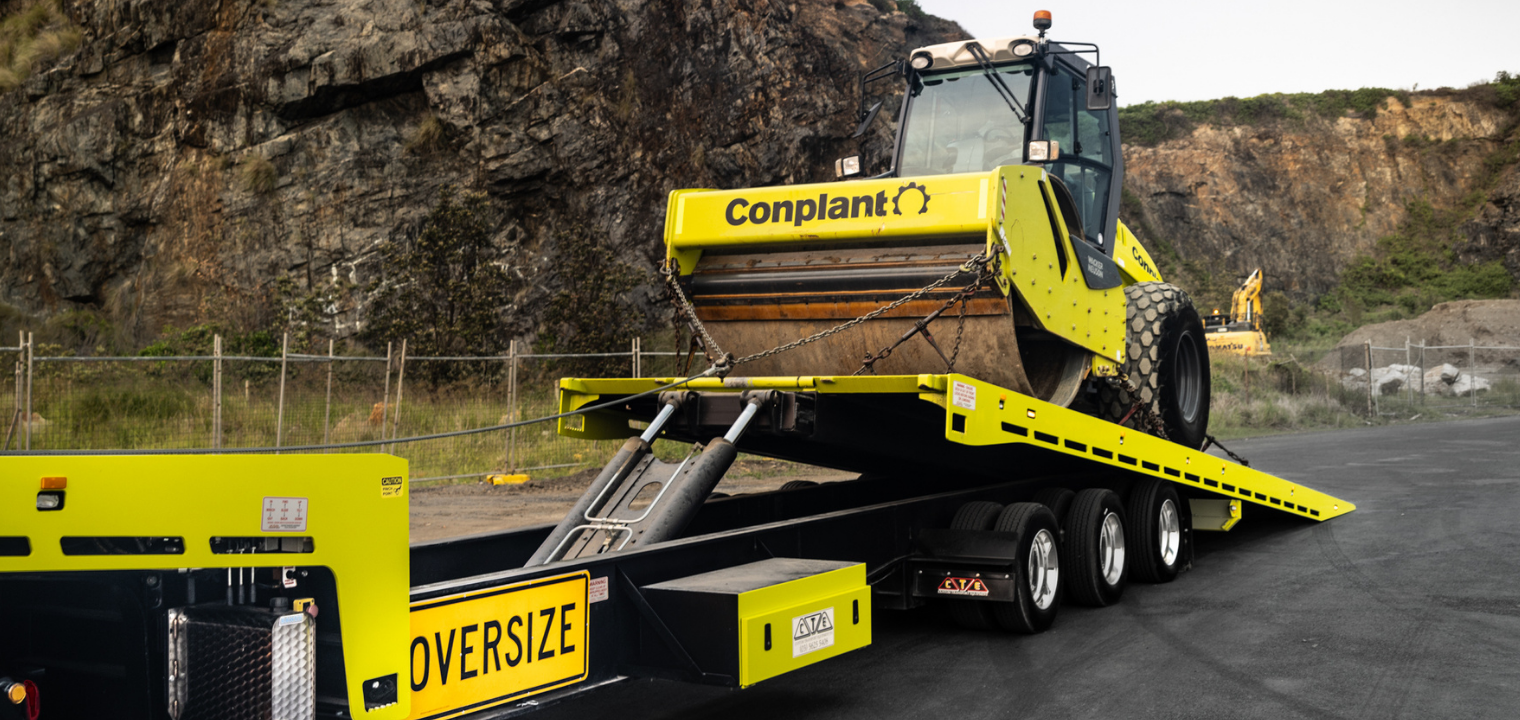
Conplant’s story did not begin with a national fleet or a network of depots.
It began with a single machine, a Stothert & Pitt RD28, and a decision that reflected where the industry was heading rather than where it had been.
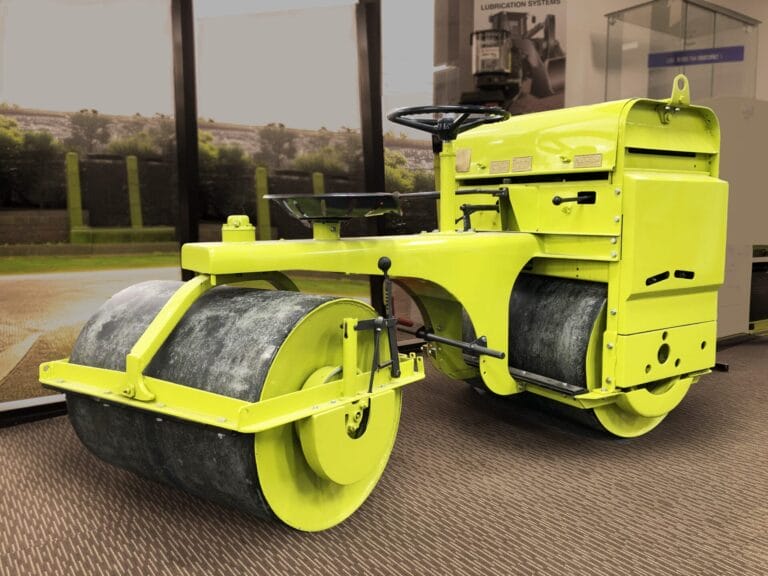
At the time, compaction in Australia was still largely defined by static weight. The introduction of vibratory technology changed that, allowing smaller machines to deliver a level of performance that had previously required significantly larger equipment.
That first roller was more than equipment. It represented an early understanding that capability in this industry is not fixed. It evolves alongside the demands placed on it.
More than sixty years later, that same principle continues to shape how Conplant operates.
Over that time, thousands of machines have moved through the fleet. Just as importantly, generations of people across workshops, depots and project sites have contributed to how those machines are selected, configured, supported and applied. The business that exists today is the result of those accumulated decisions, not a single point in time.
The past decade is one part of that story, but it is a significant one.
Across Australia, infrastructure delivery has accelerated in both scale and complexity, with major transport corridors, airport developments, rail programs and mining operations progressing under increasingly demanding conditions. For those involved in delivery, the most meaningful changes are not only seen in the projects themselves, but in how those projects are executed.
During this period, Conplant has supported projects across Queensland, New South Wales, Western Australia, Victoria, South Australia, the Northern Territory and the Australian Capital Territory, working alongside contractors in environments ranging from tightly constrained urban sites through to remote, production-driven mining operations.
While the locations and scopes have varied, the underlying challenge has remained consistent: no two projects place the same demands on equipment, people or approach.
Ground conditions shift, often within a single site.
Programs evolve as work progresses through stages.
Access, safety and compliance requirements introduce further complexity.
Even where similar equipment is specified, the way it is deployed and supported can differ significantly depending on the broader context of the project.
It is within these conditions that capability is developed.
Across a number of projects, requirements extended beyond what would typically be expected of a standard fleet supply. In some cases, this involved responding to specifications that required particular compaction methods or equipment configurations. In others, it meant scaling fleet deployments up or down in line with changing programs, often within compressed timeframes. There have also been projects where conventional approaches were not suitable, requiring alternative solutions to meet safety or operational constraints.
Rather than existing as isolated challenges, these moments have contributed to a broader shift in how Conplant operates.
They have influenced decisions around fleet composition, driven the introduction of new technologies, and refined how equipment is supported across both short-term works and multi-year programs. They have also reinforced the importance of aligning with how contractors deliver projects, adapting to different procurement models, staging requirements and site conditions rather than applying a fixed approach.
What has emerged is not a predefined system, but an operating model shaped progressively through experience.
From that first RD28 through to the present day, the common thread is not the equipment itself, but the willingness to respond to what each project requires.
This article marks the beginning of a broader series examining that process in more detail.
Rather than presenting a catalogue of projects, it will focus on the specific moments where project demands influenced change, whether through the development of new equipment capabilities, the introduction of new technologies, or the evolution of service models to meet changing delivery frameworks.
Taken together, these examples provide a clearer picture of how Conplant’s capability has been built.
Not in isolation, and not all at once, but over time, through the projects that demanded more.
Explore The Series
Each project in this series explores a defining moment that influenced the way Conplant’s capability evolved.
When Constraint Defined Capability
Pacific Highway: Warrell Creek to Nambucca Heads
Remote operation wasn’t simply an innovation. It became a project requirement that changed how rollers were supplied and operated in high-risk environments.
When the Method was Specified, not Assumed
Coomera Connector Stage 1
One project specification challenged conventional fleet capability and influenced how specialised compaction equipment was sourced and supported.
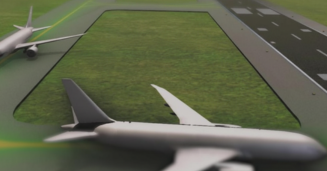
When Compaction Became Measurable
Western Sydney Airport Intelligent Compaction
As quality assurance expectations evolved, Intelligent Compaction became more than data collection. It became part of project delivery.
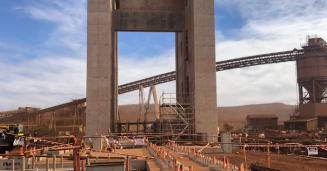
When Support Became Part of the Solution
South Flank Mine
In remote mining operations, equipment availability can become just as important as compaction performance. Supporting production required a different operating model.