After several years where material costs, planning delays and skills shortages have tested project delivery, the industry is cautiously shifting toward a more strategic phase driven by sustainability, resilience, digital innovation and shifting policy settings. The outlook is not simply about building infrastructure, it’s about building infrastructure smarter, cleaner and for the long term, while recognising the real pressures on councils to deliver critical assets with limited resources. And at Conplant, we see that pressure up close. Because we’re right there alongside councils and contractors, working to help keep projects moving, smarter.
We’re seeing the landscape evolve every day, shaped by the choices councils are making to meet changing expectations and deliver smarter outcomes. Traditional approaches are being rethought with a sharper focus on long-term value, environmental impact and community trust. The shift is clear: sustainability isn’t just a checkbox, it’s become a baseline, something that’s baked into procurement, design and delivery from the start. We’re working side by side with council teams as they navigate this balance of cost, carbon and community priorities, adapting together to deliver infrastructure that meets the moment.
Sustainability is now the Baseline
We’ve seen the shift firsthand. Roads that once relied on conventional concrete and asphalt are now being designed with low-carbon mixes, recycled base materials and greener alternatives. Whole-of-life thinking is influencing how roadworks, drainage upgrades and major earthworks are specified, designed and procured. It considers not just upfront choices, but durability, maintenance needs and the total environmental impact over time. We’re seeing projects that once focused on compliance now assessed against broader criteria that include biodiversity protection, community amenity and long-term carbon outcomes. Frameworks like those promoted by the Infrastructure Sustainability Council are shaping expectations not just for delivery teams, but across procurement and planning. Reducing waste and embracing circular practices, like reusing excavated material or recycling pavement products is helping councils align with national and state sustainability objectives in practical ways. Nature-based solutions such as rain gardens, wetlands and permeable pavements aren’t just environmental extras anymore. They manage flood risk, enhance biodiversity, and create cooler, more liveable spaces. We’ve seen organisations like Civilcraft capture this shift perfectly, showing how these solutions are evolving from green add-ons into essential community infrastructure. It’s a smart convergence of form, function and long-term environmental value, and it’s shaping the way infrastructure is delivered across Australia.
Of course, resilience is no longer just about engineering for today’s climate. It’s about building assets that will stand up to tomorrow’s extremes. We’ve all seen the impact of major weather events across urban and regional Australia. That’s why councils are embedding resilience into the design phase, whether it’s smarter drainage systems for low-lying roads or rethinking open spaces to double as flood buffers. In many cases, it’s not about choosing between function and amenity; it’s about achieving both.

Digital Technology Is Changing The Game
At the heart of all this change is technology. Technology adoption continues to reshape the way civil projects are conceived, planned and executed. Digital tools such as Building Information Modelling (BIM) and digital twin technologies allow project teams to visualise complex interactions before any earth moves, reducing errors, improving coordination and enabling councils to test scenarios before committing expenditure. And as noted in Australian Tenders’ exploration of digital adoption, this shift toward digital is not just theoretical; it’s already reshaping workflows, procurement and reporting across a wide range of projects, helping councils do more with less while building greater confidence in decision-making.
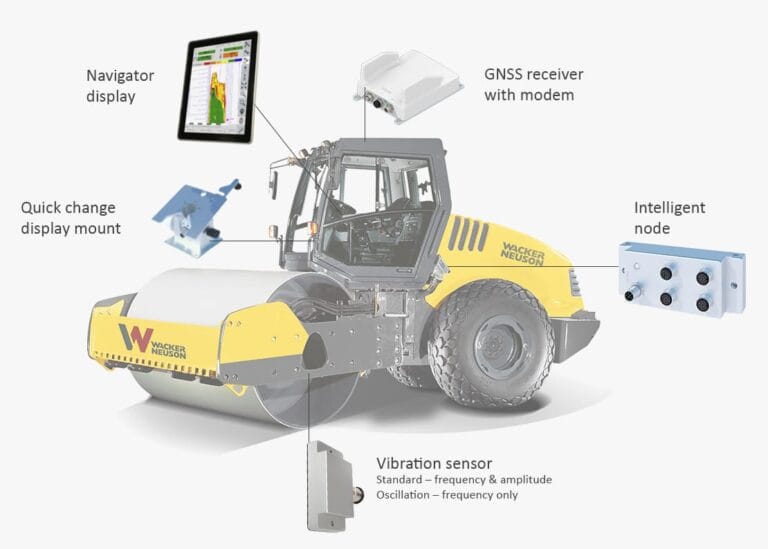
While some market commentators have pointed to slower overall construction growth, these digital innovations are part of how the sector is addressing productivity challenges and workforce constraints. We’re also seeing more projects led by AI and data analytics, giving planners better foresight, while drone surveys and GIS mapping help teams make better calls, sooner. And on the ground, intelligent compaction systems like Völkel Intelligent Compaction are turning rollers into smart machines that deliver consistent compaction with fewer passes, saving time, fuel, and rework. These systems integrate real-time sensors and GPS to provide live data and insights, helping site teams improve quality control and meet performance specs with greater confidence. For councils, this translates to better roads, reduced maintenance costs and more sustainable outcomes.
It’s a clear example of how practical innovation can deliver real results today, even as emerging technologies like augmented reality and 3D-printed components hint at what’s on the horizon. That kind of innovation doesn’t just boost project outcomes; it helps address the skilled labour shortage facing the entire industry.
Smarter Equipment and Smarter Hire
The machinery itself is also shifting. While electric and hybrid units are becoming more common in some hire fleets, what we’re seeing councils value most right now is access to smart, efficient and reliable equipment that aligns with their sustainability and performance goals. Increasingly, this ties into broader ESG (Environmental, Social and Governance) frameworks that are influencing procurement strategies across the sector. Modern machines are more connected than ever, using telematics and real-time diagnostics to reduce downtime, anticipate maintenance and track utilisation. For many councils, this kind of technology is most viable through flexible hire models. That’s where Equipment as a Service comes in, giving teams access to the right machine, when and where it’s needed, without locking up capital. The result? Better project outcomes, improved fleet efficiency and the ability to adapt quickly as needs evolve.
It’s worth acknowledging the role that policy, funding and regulation continue to play in shaping what’s possible on the ground. Forecasts from the Australian Construction Industry Forum (ACIF) suggest that while overall growth in the sector may remain modest in the short term, the pipeline for civil and engineering construction is still strong as we look toward 2026 and beyond. Challenges like planning delays and skills shortages aren’t going away, but the momentum is shifting.
Policy, ESG and the Path Forward
We’re hearing more and more about ESG, Environmental, Social Governance, being factored into how infrastructure is assessed and funded. It’s no longer just about ticking compliance boxes. Councils are telling us that grant programs and procurement processes are increasingly asking for measurable contributions to resilience, sustainability and social impact. It’s adding complexity, yes, but it’s also opening new opportunities for innovation and community value, especially when supported by the right partnerships and tools.
From where we stand, councils that embrace sustainability, resilience and innovation not as buzzwords but as practical levers are positioning themselves to unlock greater long-term value for their communities. It’s not an easy balancing act. Juggling digital transformation, climate-conscious design and shrinking workforces is tough. But we’ve seen how the right partnerships can make that path a little more manageable.
At Conplant, we’re not just watching this unfold; we’re in it with you. And what excites us is not just where the sector is headed, but what we can build together to meet it.
We’ve been working with local councils for over 60 years, and if there’s one thing we know, it’s this: infrastructure isn’t just about roads and drains. It’s about people. Places. Possibility. And we’re proud to play a part in helping councils build what comes next. Because in 2026, it won’t just be about building more. It will be about building smarter. Building cleaner. Building together.