


When it comes to civil construction, the right compaction roller weight can make or break a project. Whether you’re prepping a site for subdivision roads or compacting soil for a commercial or residential foundation, selecting the appropriate roller weight is essential to achieve optimal soil density and long-term stability.
In this guide, we break down the importance of roller weight, explore key considerations when choosing equipment, and provide real-world insights and practical recommendations tailored for Australian conditions.
Contents:
Understanding Compaction Rollers: An Overview
The Role of Compaction Rollers in Construction
Key Features and Specifications of Compaction Rollers
What Affects Your Choice of Compaction Roller Weight?
Choosing the Right Compaction Roller Weight for the Job
Comparing Roller Types by Weight and Use Case
Advancements in Roller Design and Technology
Practical Tips for Choosing the Right Roller Weight
Decision Table: Matching Roller Weight to Project Needs
Understanding Compaction Rollers: An Overview
Compaction rollers are fundamental in preparing the ground for any type of construction. They work by increasing soil density, eliminating air pockets, and ensuring a solid, stable base that can bear heavy loads. There’s a range of roller types: smooth drum, padfoot, pneumatic, each suited for different materials and use cases. Just as important as the type of roller is its operating weight, which plays a critical role in how effectively the compaction is carried out.
The Role of Compaction Rollers in Construction
From highways to housing estates, compaction is one of the earliest and most critical steps in site preparation. A well-compacted site increases load-bearing capacity, minimises any further future settlement, and improves the performance and lifespan of pavements and slabs. It’s also crucial for preventing water ingress and erosion. Without the right compaction and more specifically, the right roller weight, you could face setbacks down the track that affect structural integrity.
Key Features and Specifications of Compaction Rollers
Not all rollers are created equal. A few core specs can help guide your decision. Operating weight refers to the total weight of the roller in use, and it’s often a good starting point when considering what machine is best for your project. Then there’s the drum type, smooth or padfoot, amplitude and frequency settings, and whether the roller is static or vibratory. Vibratory rollers, for example, use a counterweight mechanism inside the drum to compact deeper into the soil, making them ideal for larger or more demanding sites.
For a deeper comparison between roller types, see our guide on Padfoot vs Smooth Drum Rollers.
What Affects Your Choice of Compaction Roller Weight?
Soil Type: Cohesive vs Non-Cohesive
The soil you’re working with is perhaps the most significant factor. Cohesive soils like clay bind together and require a different approach than non-cohesive soils like sand and gravel. Padfoot rollers, which exert pressure through raised pedestals, are ideal for clay because they apply a kneading action. In contrast, sandy or gravelly soils respond better to smooth drum rollers, which compress rather than knead.
Learn more about soil types and how they impact compaction.
Project Scope and Site Conditions
Large, open spaces like road bases or airport runways are best handled with heavier rollers, which offer faster coverage and deeper compaction. Meanwhile, projects in urban areas or with limited access benefit from lighter weight rollers that strike a balance between power and manoeuvrability. For projects involving variable materials or requiring precision around edges which are close to structures or services, oscillating rollers can also provide another smart alternative. Their front to rear drum movement delivers effective Tangential compaction while reducing the risk of damage from vibration.
Compaction Depth
Another vital consideration is your compaction depth. Deeper compaction will require a heavier machine, often with vibratory functionality. If you try to achieve deep compaction with a light roller, you’ll likely end up doing multiple passes with less effective results.
Choosing the Right Compaction Roller Weight for the Job
When matching roller weight to your task, context is key. Heavy rollers (typically over 10 tonnes) are perfect for large infrastructure projects where speed and deep compaction are priorities. These are commonly seen on most Road Construction and highway upgrades, industrial pads, and major subdivisions.
Medium rollers, ranging from 5 to 10 tonnes, offer more flexibility. They’re often used for smaller projects like car parks, council works, and light commercial development sites that still need serious compaction but where site access or terrain might limit the use of larger machinery.
For smaller tasks such as landscaping, trench work, or compacting around structures, trench rollers offer a compact yet powerful solution. Designed to work effectively in confined areas with steep or narrow spaces, trench rollers can navigate tricky terrain and deliver high compaction force without the bulk of full-size machines. They’re particularly effective in most utility work including pipeline construction, backfills, and foundations where space is at a premium.

Why Roller Weight Matters for Compaction Efficiency
Put simply, a heavier roller applies more force to the ground, compressing soil particles more tightly and reducing air voids. This increases soil strength and stability, which is critical for supporting all structures over time.
But going too heavy can have its downsides. Over-compaction can crush aggregates, affect underground drainage and services, and even lead to equipment wear and higher fuel use. On the flip side, using a roller that’s too light for the job could mean insufficient compaction, leading to future settlement, surface cracking, or slab failure. Neither outcome is ideal, which is why choosing the right weight is so important.
Comparing Roller Types by Weight and Use Case
Smooth drum rollers perform best on granular soils such as sand, gravel, and crushed rock. Their performance improves with weight, making heavier models ideal for road base and large-scale sites.
Padfoot rollers, with their raised pads, excel in cohesive soils like clay. Their weight helps penetrate deeper, and their kneading action ensures a more uniform compaction.
Pneumatic or multi-tyre rollers are especially useful for asphalt works and jobs requiring surface sealing and finishing. Their rubber tyres distribute pressure evenly, helping to eliminate voids and improve surface texture, particularly in asphalt layers. They’re a perfect choice for roadworks, airport runways, hardstands and any application where flexibility and uniform pressure are needed. Ranging from 1.5 to 25 tonnes, they cover a broad scope of general compaction needs, from driveways to multi-lane highways and industrial pads.
Advancements in Roller Design and Technology
Modern rollers aren’t just about weight; they’re becoming smarter and more efficient, too. Advances in materials mean manufacturers can produce stronger but lighter frames, improving transportability and fuel consumption.
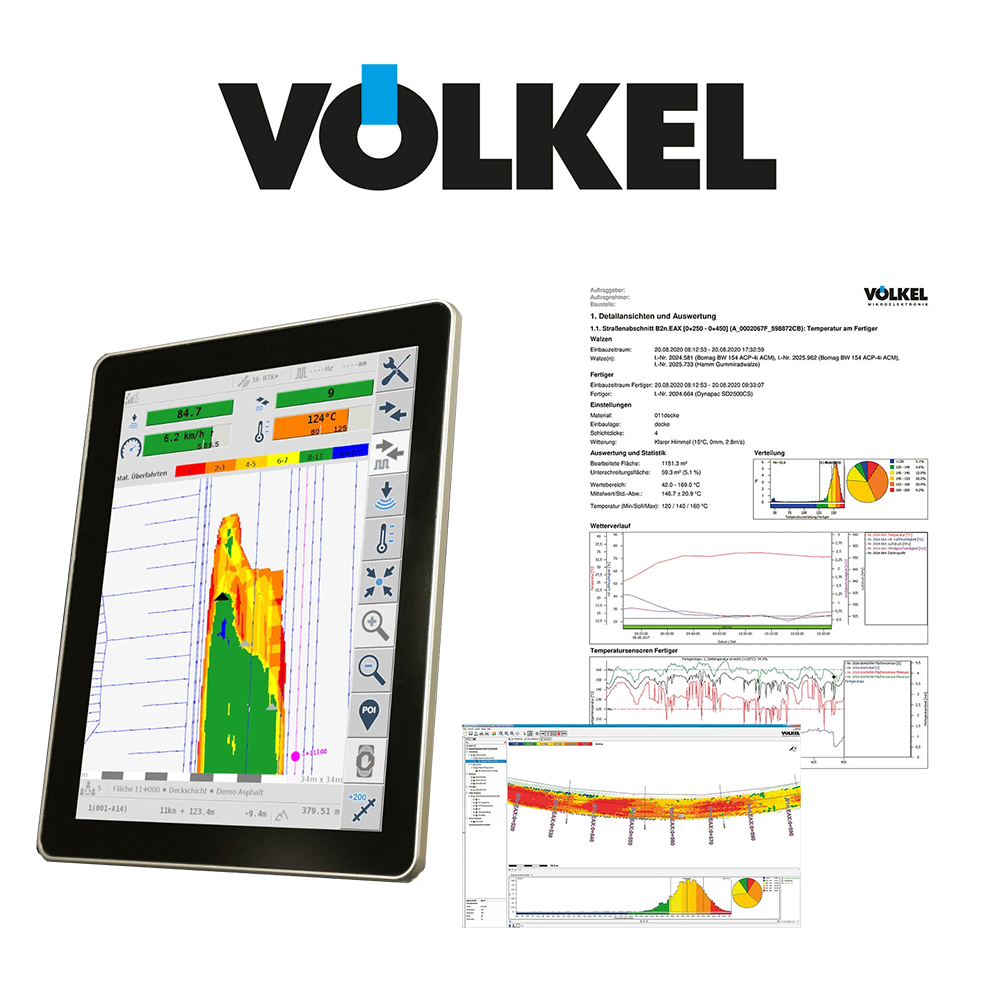
On the tech front, features like people protection, GPS integration, compaction meters, and telematics systems are transforming how operators manage equipment on-site. These tools provide real-time feedback on compaction quality, helping ensure the job’s done right the first time.
Want to learn more about the technology available from Conplant? Visit Innovation and Safety Leaders in Australia – Conplant.
Practical Tips for Choosing the Right Roller Weight
To make the best choice, start by assessing your project’s technical requirements and physical constraints. What’s the soil type like? How deep do you need to compact? Is space limited? These questions will help narrow down your options.
It’s also a smart move to consult with your hire provider. A specialist from Conplant, for example, can recommend the most suitable roller based on decades of experience and in-depth knowledge of local site conditions and machine applications. Our team can walk you through the pros and cons of different machines, helping you avoid costly mistakes.
Decision Table: Matching Roller Weight to Project Needs
Project Type | Soil Type | Recommended Roller Type | Weight Range |
Roadworks | Gravelly sand | Smooth Drum | 10t+ |
Subdivision Pads | Clay | Padfoot | 12–20t |
Landscaping | Sandy loam | Smooth Tandem or Oscillating | <5t |
Car Park | Mixed Fill | Smooth, Padfoot or Oscillating | 5–10t |
Footpaths and Trenches | Sandy or mixed | Pneumatic or Trench Roller | 1.5–6t |
Need Help Choosing? We’ve Got You Covered.
If you’re not sure which compaction roller weight is right for your next project, we’re here to help. The team at Conplant can offer tailored recommendations based on your site conditions, soil type, and project scope.
Get in touch with us or explore our full range of roller hire options online. We’ll help you get the job done right, first time, every time.
Frequently Asked Questions (FAQs)
Choosing the wrong roller weight can lead to under- or over-compaction. This may result in unstable surfaces, future settlement, or even structural issues that could derail your timeline and budget.
Start by evaluating your soil, compaction depth, and site size and layout. You can also consult our in-house experts for advice tailored to your specific conditions.
It varies depending on your task. Larger sites or cohesive soils generally need rollers in the 10–25t range, while smaller jobs can be managed with lighter rollers.
There’s no one-size-fits-all. Smooth drum rollers are great for granular soils, padfoot rollers excel in clay, and combination rollers handle mixed conditions well.
A smooth drum roller weighing 10 – 12 tonnes is typically your best bet for achieving effective compaction on this type of material.
Most compaction rollers used across Australian construction sites range from around 1,500 kg for light Tandem and trench rollers to well over 25,000 kg for heavy-duty heavy compaction rollers. The ideal weight depends on your soil type, site conditions, and the level of compaction needed.
